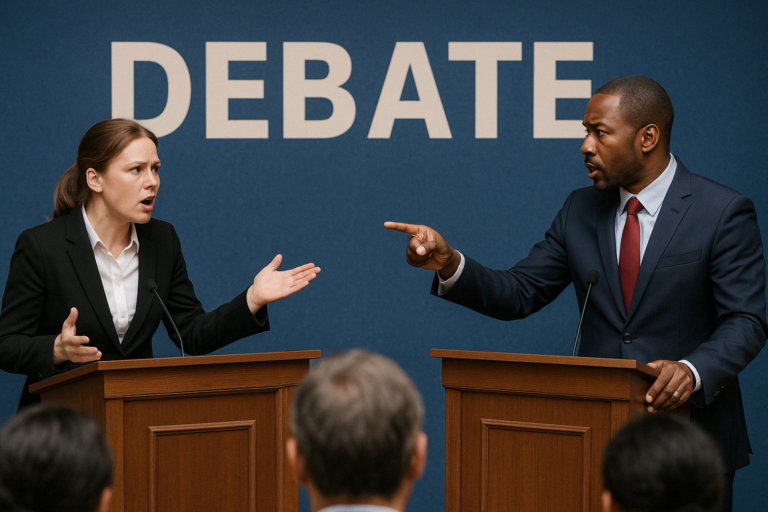

Understanding the Australian Parliamentary Debate Format
Australian parliamentary debate – often referred to as the Australia–Asia or Australasian format – is a common competitive debating style used in Australian schools, universities and Asian circuits. Each team consists of three speakers and debates follow a structured order, making the format accessible yet challenging.
Format overview and timing
Two three‑speaker teams face each other: the affirmative (government) argues for the motion, while the negative (opposition) argues against it. Speakers present in this fixed order: first affirmative, first negative, second affirmative, second negative, third affirmative, third negative. Many tournaments also include reply speeches, which follow the substantive speeches in reverse order (negative reply then affirmative reply).
Speeches in senior competitions are typically seven minutes for the first and second speakers, while the third speaker receives a shorter speech (around five minutes). Reply speeches are about half the length of substantive speeches, with the negative reply given before the affirmative. Younger divisions use shorter speeches. Teams have limited prep time to brainstorm and assign roles before speaking.
Key Takeaways:
The Australian parliamentary debate format (Australia–Asia / Australasian style) uses two teams of three speakers with a structured sequence of speeches, reply speeches, and POIs.
Debaters are judged on matter (content), method (structure), and manner (delivery), with clear expectations for each speaker’s role.
The format emphasizes strong definitions, strategic rebuttal, teamwork, and persuasive communication, making it ideal for academic and competitive debating.
Speaker roles and duties
Substantive speeches
The first affirmative defines the motion, clarifies ambiguous terms and outlines the team’s case. They present the central contention and, when necessary, a model explaining how a proposed policy would work. The first negative may challenge this definition if it seems unreasonable, and they outline the opposition’s case while rebutting the affirmative’s opening points.
Second speakers support their team’s case and attack the opposing arguments. They should split their time between rebutting the other side and presenting new substantive material, ensuring consistency with their team’s definition and core themes.
Third speakers (often called whips) summaries and weigh the debate. They must not introduce new arguments; instead, they identify the central points of clash, rebuild their team’s case and explain why their side’s approach is stronger. Effective third speeches leave adjudicators with a clear narrative of how the debate unfolded.
Reply speeches
After the third speakers, one of the first two speakers on each side delivers a reply speech. Reply speeches are half the length of substantive speeches and occur in reverse order – the negative reply precedes the affirmative reply. A reply speech summarizes the debate from the speaker’s perspective, compares the cases and argues why their side should win; no new matter may be introduced. Because they are shorter, adjudicators mark reply speeches on half the marks of substantive speeches.
Points of Information (POIs)
Also found in other formats like World Schools, points of information are short interruptions offered by the opposing team. A member of the other side may stand and ask a question or make a short challenge to the speaker. These interjections keep debates lively and allow immediate rebuttal. POIs cannot be offered in the first or last minute of a speech and must be framed as questions under 15 seconds. Speakers may accept or decline; a moderate number of accepted POIs shows confidence without letting interruptions dominate. After responding, the speaker should resume their argument smoothly.
Scoring criteria: matter, method and manner
Adjudicators evaluate speeches using three criteria: matter, method and manner. Many competitions mark out of 75 points (30 for matter, 15 for method and 30 for manner).
- Matter assesses the strength and relevance of arguments. Debaters should provide reasoning, examples and evidence, using structures such as TEEL – Topic sentence, Explanation, Evidence, Link – to link back to the motion. Good matter also includes effective rebuttal of key opposing points.
- Method concerns organization and teamwork. Speeches should have clear signposts and follow the allotted time. Teams must coordinate their case splits so each speaker contributes distinct material. Generally, first and second speakers spend more time developing new material, while third speakers focus mainly on rebuttal.
- Manner evaluates delivery – voice, pace, eye contact and gestures. Engaging, confident speakers who vary their tone and maintain audience interest tend to score higher.
Adjudicators keep matter and manner scores within roughly 27–33 points and method between 13–17 points for consistency. Judges provide feedback, allowing teams to improve across these categories.
Preparation and strategy tips
Preparation time is limited, so teams should focus on a few key actions. Research efficiently by brainstorming potential arguments, anticipating objections and collecting relevant examples. Define and split the case clearly, deciding how to interpret the motion and how to divide material among speakers. Structure arguments with signposting and TEEL to enhance clarity and method. Rebut strategically, targeting the core assumptions of the opposing case rather than minor errors. Finally, conclude strongly by summarizing key points and explaining why your team wins the debate.
Comparisons with other parliamentary formats
Comparative formats – The Australasian style differs from other parliamentary formats mostly in the number of teams and speech lengths. British Parliamentary debates feature four teams of two speakers – two for each side – and lack reply speeches; strategy involves differentiating from allied teams while answering points of information. The World Schools format uses two teams of three with eight‑minute substantive speeches and four‑minute reply speeches and restricts definitional challenges and procedural points. Asian Parliamentary mirrors the Australasian format, with seven‑minute substantive speeches and four‑minute reply speeches and similar POI rules. While differences exist, the emphasis on clear argumentation, teamwork and persuasive delivery remains central across all styles.
Conclusion
The Australian parliamentary debate format fosters rigorous discussion by emphasizing structure, strategy and style. Teams of three define the motion, build coherent cases, rebut opponents’ points and engage through points of information. Scoring focuses on the balance of matter (content), method (organization) and manner (delivery), ensuring well‑rounded performances. By mastering preparation, case splitting, rebuttal and reply speeches, debaters can excel in this Australian debate format and develop communication skills that extend beyond the debating chamber.
Australian Debate FAQ:
The Australian parliamentary debate format stands out because it combines structured three-speaker teams, interactive Points of Information, and reply speeches that summarize the debate from each side’s perspective. The format balances structured presentation with real-time engagement, making it ideal for developing both analytical and spontaneous speaking skills.
Teams are judged using the matter–method–manner model:
Matter evaluates the quality and relevance of arguments, evidence, and rebuttal.
Method assesses organization, teamwork, timing, and clarity of structure.
Manner covers delivery, confidence, tone, and audience engagement.
Adjudicators use these criteria to provide balanced, constructive feedback and determine the winning side.
Debaters should prioritize:
Clear definitions and case structure in the opening speeches
Targeted, strategic rebuttal that addresses core issues rather than minor points
Effective use of POIs, both offering and answering them
Strong summarization and weighing in third and reply speeches
Success in the Australian debate format relies on teamwork, clarity, and consistent narrative control.